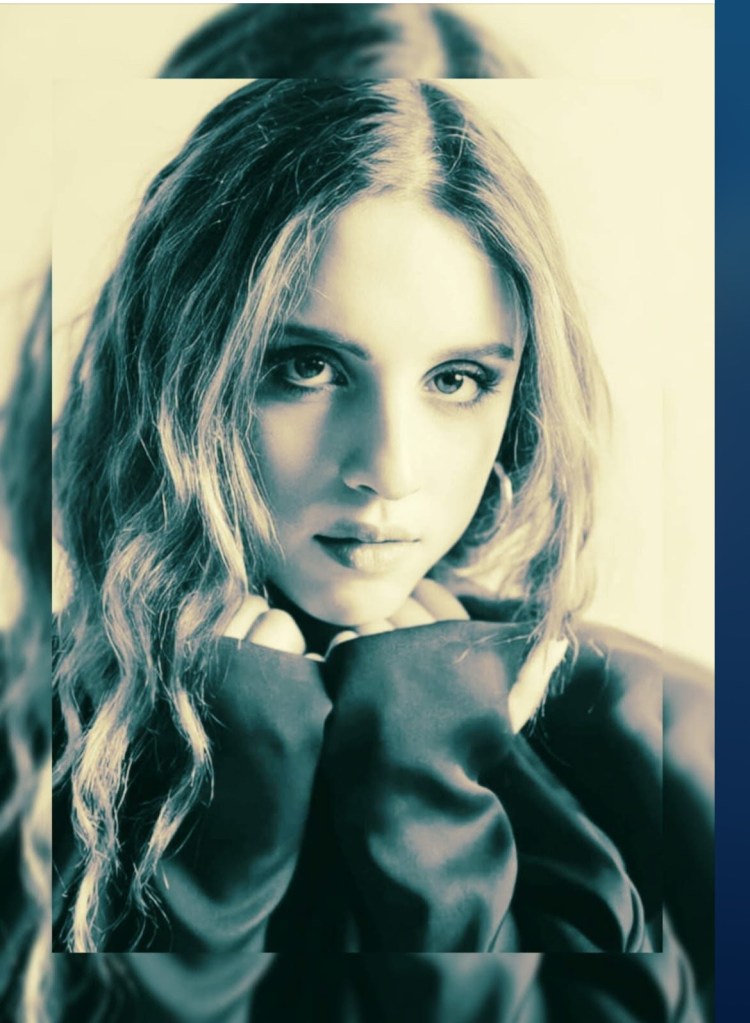
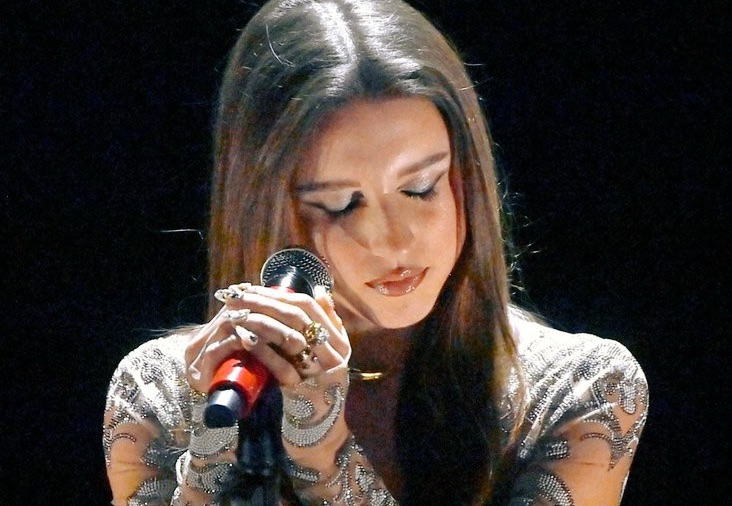
This is not just a music blog. It’s a space where Angelina Mango songs are explored through emotions, meanings, and hidden truths. Discover: • song meanings • emotional analysis • deeper interpretations Because some songs are not just heard. They are felt.
this song that explores deep themes such as emotional pain, personal growth, and rebirth. The track tells the story of the difficulty of overcoming a past relationship and the sense of inner confusion, represented by the metaphor of the “veil over the eyes,” which symbolizes the inability to clearly see oneself and reality.
At the same time, the song expresses a strong desire for change: through vulnerability and the acceptance of one’s flaws, a journey of self-awareness and the will to fully live again emerges.
Song:
Now how do I tell my best friend That I got hurt, I didn’t listen to him until I lost my hearing? How do I tell the lady at the bakery Who asks me if I’m okay, why I’m not smiling today? Even if I smile, I laugh You say there’s a veil over my eyes, eyes But I won’t break until you touch me Until you touch me
Sugar threads hanging from the ceiling They’re the curtain of my labyrinth Maybe this is the end of my first act, ah-ah-ah Now I just want to live, uh-uh-uh-uh-ah Now I just want to live, uh-uh-uh-uh Now I just want to Now, now, hey Now I just want to Now, now, now
Now how do I tell Angelina? She should have forgiven herself, she became a killer She walks with rounded tips forever, by flaw And giving everything isn’t the same as receiving love
And I’ll play with my cards on the table I won’t lie anymore And I’ll become a strong woman But while I open and close the fridge, fridge You say there’s a veil over my eyes, eyes Like brides in front of mirrors, in front of mirrors
Sugar threads hanging from the ceiling They’re the ending of my first act Now I just want to live, uh-uh-uh-uh-ah Now I just want to live, uh-uh-uh-uh
Now I want to wake up at four Mess everything up and then Die of boredom And I want to go out in slippers Do a thousand stupid things I haven’t done yet
I want to scream at a concert But without the fear that silence will come after I want to touch my body and feel that I exist Inside every flaw, inside every flaw
Ah-ah-ah-ah, ah-ah-ah, mmh, now I just want to Now I just want to live
Angelina Mango’s album released unexpectedly on October 16, 2025. The album totale is carame’ (dearling me)
Angelina Mango is a singer-songwriter in every sense of the word, and this new album is not pop. It’s pure, unfiltered songwriting — raw and genuine in its essence, full of life and stories told with the lightness that only those who truly live this craft possess.
The audience had to wait a whole year to hear something new from this young woman, who’s been through it all and completely turned her life around. First came the break due to illness, then rehabilitation, followed by enrolling in university.
In the meantime, she clearly chose to entrust her rebirth to music and writing — and you can really feel it. This isn’t just an album; it’s something more. It’s a manifesto of what it means to suffer, to understand it, to look within, and to do whatever it takes to stand back up and start again.
Angelina Mango has never been a “product” — she became one out of necessity, and while it brought her popularity and success, she was, and still is, something entirely different
If someone listens to this album — or even Monolocale — and claims otherwise, they either know nothing about music or are acting in bad faith. There’s no other explanation.
Why does she win? Why is Angelina one step ahead of everyone else? Because she manages to be authentic even when she steps outside her natural world — that of Caramé — though it’s clear that venturing into that territory demands great physical and emotional effort.
Music is something gentle; it’s a journey meant to be experienced by surrendering to deep emotions and stories that make you cry, stirring something powerful deep within. Sure, you can jump on stage in tight outfits, dance, and do all that — but real music is pure emotion. It’s truth. Caramé is that: Angelina Mango’s truth.
Angelina needs sugar, affection, sweetness — and she almost asks it of herself right from the start of the album, with the title track: “Cara Me, portami le caramelle” (“Dear Me, bring me candy”).
It feels like her way of telling listeners that what they’re about to hear is a story to be experienced with a smile, while eating candy and simply listening.
Following up with 7UP confirms it: “se mi passa giuro che mi tatuo i vostri nomi lungo le mie gambe perché sola non cammino, non respiro” (“if it goes away, I swear I’ll tattoo your names along my legs, because I don’t walk or breathe alone”), then continuing with “Non è l’applauso, non è l’inchino, è il coraggio di mostrarsi deboli” (“It’s not the applause, it’s not the bow — it’s the courage to show weakness”), something she hasn’t been able to do since her Amici days.
Showing yourself for who you truly are — once you embark on that kind of journey — becomes almost impossible, and breaking down is more than just a possibility.
Exposing one’s fragility is also the central theme of Pacco Fragile, where she talks about panic attacks, the anxiety she felt while on tour, and how, in the eyes of others (or perhaps someone specific we don’t know), she always had to be a machine — not a human being with her own crises and moments of weakness that deserved to be embraced, not hidden.
Here, her songwriting explodes — both in solitude and in collaboration — with the presence of Madame on a song where Angelina writes as if speaking to the other side of herself, interpreted by Francesca Calearo. The song is called ioeio.
“Mi manca l’entusiasmo per guardarti in faccia” (“I’ve lost the enthusiasm to look you in the face”) is the opening line of the next song, dedicated to her ex-boyfriend. In it, she recounts everything she felt for him over time, reminiscing about the joyful and carefree moments they shared.
This story — these memories and emotions — are explored further and deepened in Come un Bambino, the most beautiful and powerful song of the entire project, one of those rare songs that live on forever.
It’s a song that could also be dedicated to her ex — but just as easily to her father. And this is where the potentially familial side comes in, since mylove is, or at least seems to be, written as a love letter to her best friend.
The interlude, nina Canta, is clearly a way of putting in black and white everything others have demanded of her — and how she experienced it.
“Dai Nina, canta” (“Come on, Nina, sing”) is repeated like a mantra, almost as if she were saying to herself, “enough of telling me that now.”
Velo sugli occhi is another fragment of her life — it speaks to those moments when Angelina seemed distant, as if she had a veil over her eyes that kept her from seeing the world as it truly was and is. At the same time, it marks an awakening: the realization that it’s time to live and lift that veil. The past is the past — thankfully — and now she’s “playing with her cards on the table.
We return to Mango — to Pino Mango and his memory — in Ci siamo persi la fine. There’s an extraordinary intensity in this song, one that peaks in the line “Una bambina con troppe storie da raccontare, dieci anni dopo ti lascio andare…” (“A little girl with too many stories to tell, ten years later I let you go…”). And the tears inevitably flow, thinking of this loving family, bound together by memories and an eternal love.
Starting to live again also means opening yourself up to feelings once more, as she tells in Bomba a Mano. It’s an analysis of the past, an examination of one’s issues, a process of acceptance and rebirth. The song is all of that — and more — because within acceptance lies the awareness that, perhaps, it still takes a little more time before being ready to love again.
“The more love you give me, the more I feel like I’m doing something wrong” — that’s the line, addressed to the audience, from aiaiai.
No, Nina, you haven’t done anything wrong. The audience has always given you the love you deserved — and still deserve. They waited for you without judgment, and you repaid that wait with an album-manifesto in which you poured your entire self.
People have seen that — and are still seeing it. Those who come after will see it too. And, most importantly, you will see it yourself in a few years, when you look back and reflect on your life and your music, fully aware that you did everything you were meant to do.
After all, you say it yourself in igloo: “You’ll understand when you’re older that all this s** made sense.”*
Everything makes sense in these almost 50 minutes of life you’ve shared, and the only thing left to say is simply thank you.
Thank you for giving us good, honest music. Thank you for trusting the world around you and for showing us who you truly are — with all your fragility.
You know, reviews are supposed to be written objectively, following a clear and technical structure. But in this case, that’s just not possible — and the reason is simple: you spoke directly to us, the listeners, and it’s only right that we answer you with complete honesty — by simply saying, thank you.
In the cracks of the pavement,memories bloom like stubborn weeds. Some are heavy as stone,some float like paper boats on rainwater.And if the sky ever opens wide enough, I’ll step through with a smile because even the storms have taught me how.
One day I’ll meet God,
and with a smile on my face I’ll tell Him that, despite it all, I’m doing great.
I’ve laughed at funerals, cried at weddings,
chased kites that crawl, fallen for snakes.
Because human contact is like sandpaper,
and I rub against it hard with the scaffolding in my head—
a building under construction, a mind left uninhabited,
but still with footprints pressed into the wet cement of the street.
A little six-year-old girl, with the biggest smile,
runs up to me and says:
“Did you know my dad is in the sky too, just like yours?”
My legs shake, I wish I were older—
but maybe she is.
Sure, she’s older than me in the ways that matter,
because she already knows what’s important.
And all I can do is…
Smi-i-i-ile
You knock me down, but I’ll never stop.
Smi-i-i-ile
It hurts, but it hurts more if I don’t.
Smi-i-i-ile
The more you try, the more I do.
Smi-i-i-ile
And I keep on smi-i-i-iling.
Now I’m walking down the street playing hopscotch,
I’m not the right age, but—(I didn’t know)
bruises and scrapes on my hands and knees,
a troublemaker’s grin (from falling off the wall).
What’s the right age to act grown-up?
Prada glasses (I’m bound to lose them).
Don’t worry, Mom, I’m not coming home—
I’m a stray.
The corners of my mouth
rise and rise,
climbing my face and jumping free,
and all I do is…
Smi-i-i-ile
You knock me down, but I’ll never stop.
Smi-i-i-ile
It hurts, but it hurts more if I don’t.
Smi-i-i-ile
The more you try, the more I do.
Smi-i-i-ile
And I keep on smi-i-i-iling.
I’m walking down the street playing hopscotch,
I’m not the right age, but—(I didn’t know)
bruises and scrapes on my hands and knees,
a troublemaker’s grin (from falling off the wall).
What’s the right age to act grown-up?
Prada glasses (I’m bound to lose them).
Don’t worry, Mom, I’m not coming home—
I’m a stray.
And I just… smi-i-i-ile.
The song’s meaning revolves around a powerful idea: smiling as an act of resistance and inner freedom, even when life wounds you. This is a emotional layers:
An intimate dialogue with God – The opening (“one day I’ll meet God…”) isn’t strictly religious, but existential: it’s a reckoning with something greater than oneself, a life report given “despite it all.” – The irony (“I’m doing great”) shows a disenchanted strength, able to lighten even pain. The emotional paradox – Laughing at funerals and crying at weddings symbolizes a soul that doesn’t live by society’s rules of “how you’re supposed to feel,” but instead by an authentic, even contradictory, sensitivity. Wounds and growth – Human contact is described as “sandpaper”: it hurts, but it shapes and sculpts a person. – The metaphor of a “building under construction” and an “uninhabited mind” conveys the idea of an identity still being built, yet marked by experiences that leave permanent traces (“in the cement on the street”). The encounter with the little girl – The pivotal moment: a child shares the grief of losing her father. Here, the “grown-up” role reverses—the child already shows an instinctive wisdom: the ability to recognize what truly matters. The chorus: the Smile – It’s not a superficial smile, but an act of defiance: “you push me down, but the more you do, the more I smile.” – It’s the declaration that pain will not have the final word. Returning to childhood – Playing hopscotch, falling, getting dirty: images of freedom and imperfection, set against the expectations of adulthood (“what’s the right age to act grown-up?”). – Losing the Prada glasses becomes a symbol of rejecting an imposed status.
Il silenzio è come il battito delle ali che in lontananza svaniscono. La sera e’ come il silenzio che contorce la mente. La mente è come una ferita che si contorce dal dolore. Il dolore non è altro che il corpo che ti parla. In tutto questo devi solo ascoltarti per poi di nuovo amarti.
August is nothing but winter’s head, feet down in the grave
Yes, I know, I know blood is blood
But there are vampires
And some families bleed
And happy families
Trees growing without roots
And distant tarantellas slipping down to the sea, farther down
I learned how to knock, I swear
They search for poison in the garbage
Outside our home’s door
They find only four‑hundred cigarette butts
From guests busy hugging mom
I know few of them, maybe I don’t even care, but I smile
And ask: “Would you like a glass of water?”
They squeeze my cheekbones harder than the spaces between their knuckles
The old ladies in single file
The old ladies in single file
Single file, single file
I’ve decided to make peace with you
Even if you left me alone
I’ve decided to make peace with you
Even if you scared me
I no longer have ghosts under my sheets
I count more ghosts among the school desks
My table is set with Christmas bastards
I was a special being but they didn’t care for me
Love is caring for me
Love is calling every morning, a word for me
One word was enough for me
Instead you’re just thirsty and you don’t know me while you stand in line
I am your priest
I know what it means to love to death
I need to get out
I can’t breathe, I must go away
The old ladies in single file
Single file, single file
The song is deeply autobiographical, inspired by the death of her father, the singer-songwriter Pino Mango. The phrase “trees without roots” symbolizes the pain and loss that tear away your sense of grounding or belonging.
A powerful image: a vague crowd — voices nearby but emotionally distant — approaching not to offer real comfort, but to look for gossip, blame, or poison. Angelina described them as “a scar we must take care of.”
The reference to cigarette butts left by “guests hugging mom” reflects how even condolences can become superficial or performative — more symbolic than heartfelt.
I’ve decided to make peace with you .. is very likely addressed to Angelina Mango’s father, Pino Mango, who suddenly passed away in 2014 while performing on stage.
In the context of the song, that line is part of a deeply emotional moment in which the protagonist processes: the pain of loss, the loneliness that followed, and the need for inner reconciliation, even with someone who is no longer here.
This song is
A powerful inner journey through grief, identity, and liberation — sung with clear eyes and an open heart.
Angelina Mango is a italian singer. She born at Maratea, Basilicata italy on 10 april 2001.She grew up in a musically enriched environment; her father, Pino Mango, was a celebrated singer-songwriter, and her mother, Laura Valente, was the former lead singer of the band Matia Bazar. She wrote her first song at 6 years old the title is Mi sono innamorata di me( I Fell in Love with Myself”), a surprisingly strong and independent self-image comes through—even at such a young age she said that is so younger and free ( in other page i will speak about her song).
Angelina has an older brother, Filippo Mango, born in 1995. He also followed in the family’s musical footsteps, becoming a drummer. He often collaborated with their father and played in a band with Angelina during their teenage years.
Raised in a musical environment, Angelina learned to sing and play instruments like the piano and guitar from a young age. She has said in various interviews that she learned to play by herself, in a spontaneous and natural way, thanks to the musical environment she grew up in. She always had musical instruments around her, and by watching her parents and brother, she started to explore them on her own—especially piano, guitar, and singing.
Even though she didn’t follow a traditional academic path to learn to play, music has always been an integral part of her daily life—almost like a family language. In addition to singing, Angelina Mango also practiced dance for about ten years, (as dreamer she wanted to became a professional dancer).It played a key role in shaping her as both an artist and a person. Dance taught her discipline, expressiveness, and gave her a deep sense of body awareness on stage — something that shines through in her live performances today, where she effortlessly combines voice, movement, and emotion. However, her childhood was deeply affected by the death of her father.
On December 8, 2014, during a charity concert in Policoro (in Basilicata), while performing “Oro,” Pino suddenly suffered a heart attack on stage.
He was rushed to the hospital, but he didn’t survive. He was 60 years old. The news deeply shocked not only his family, but the entire country, as Mango was a highly respected and cherished artist.
The tragedy was especially hard on Angelina who was only 13 years old at the time. Angelina Mango was not present at the concert where her father, Pino Mango, passed away. She was at home. The news of her father’s death was given to her shortly afterward. In various interviews, she has said that the moment deeply marked her life, although she has never gone into too much detail, always maintaining a sense of respect and privacy around that family pain. After his death, the family — Angelina, her mother Laura Valente and her brother Filippo — moved to Milan to try and rebuild their live.
Angelina Mango’s childhood and teenage years in Milan were not easy, especially in the first few years after the move. She has said that it was a very painful period, marked by the loss of her father and a strong sense of confusion and disorientation.
At first, she felt out of place, far from her roots and everything she knew. However, over time, she began to rediscover herself through music, which became a form of refuge and healing. She would play, write, and perform with her brother Filippo, and that gave her a way to stay connected to the memory of their father.
She has also said that although Milan is a big and sometimes tough city, it gave her the chance to rediscover herself, to study, experiment, and grow as an artist. It was there that her real musical journey began, and it was there that she realized music wasn’t just a passion — it was her path.
If I got a ten on a school essay, it was because I was ‘the daughter of’, not because I was a nerd — a nice nerd who let others copy,” said Angelina Mango in an interview with Vanity Fair, recalling her time in school as the daughter of a famous singer-songwriter. This prejudice also spread when she started making Music. This Made her suffer, but it also pushed her to prove her worth through her One Music.
“Today,” Angelina Mango continued, “I’m not surprised when people say I’m only here because of my last name. But those who listen to me don’t have that kind of prejudice”.
After attending a science high school, Angelina Mango enrolled in a Modern Literature course at the University of Bologna in 2019. However, after about a month, she decided to leave her studies to focus on her music career, later participating in the talent show Amici.
Although she didn’t win the overall competition — the winner was dancer Mattia Zenzola — Angelina finished in second place and won three major awards:
Winner of the Singing Category Critics’ Award (Journalists’ Choice) Radio Award
These honors solidified her position in the Italian music scene and contributed to her later success, including her victory at the Sanremo Music Festival 2024 with the song “La noia.” After winning the Sanremo Music Festival 2024, she accepted the invitation to represent her country in the European competition, which was held in Malmö, Sweden, from May 7 to May 11, 2024.
During the grand final on May 11, Angelina delivered an intense and visually striking performance, finishing in 7th place.
“Soon, I will talk about Amici, Sanremo, and Eurovision. I will translate Angelina Mango’s lyrics and analyze them for you.”
To help others discover her talent, understand the meaning behind her songs, and appreciate her growth andbecause I fell in love with the phrase she always writes on her hand before her performance : ‘Life is precious’
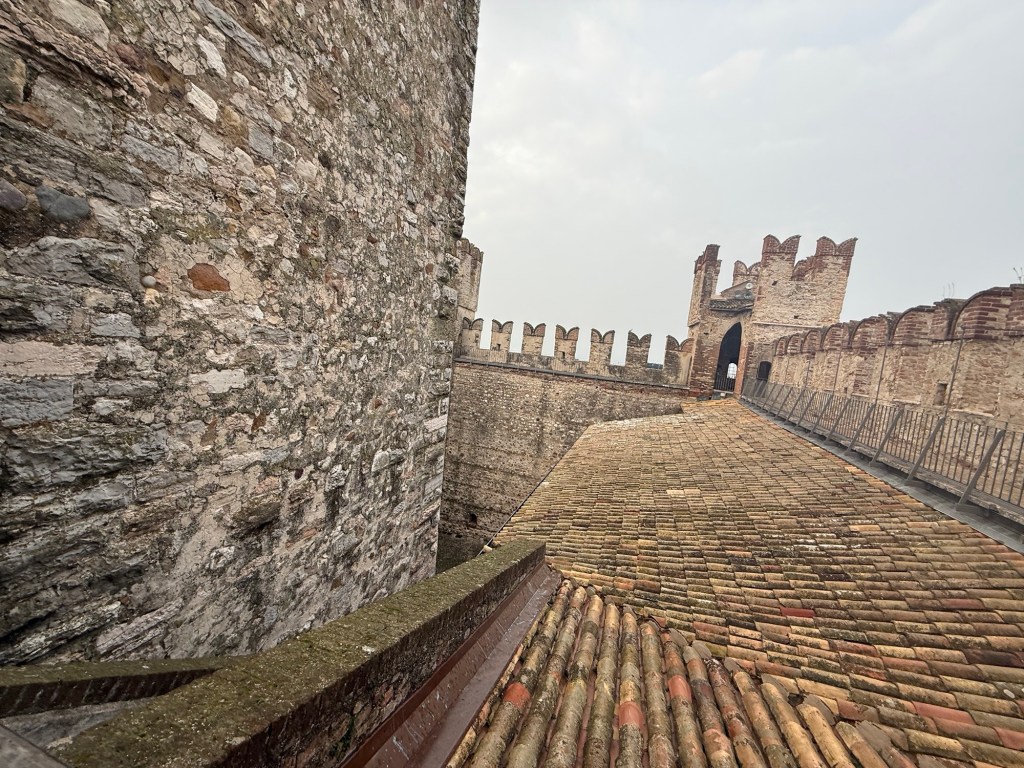
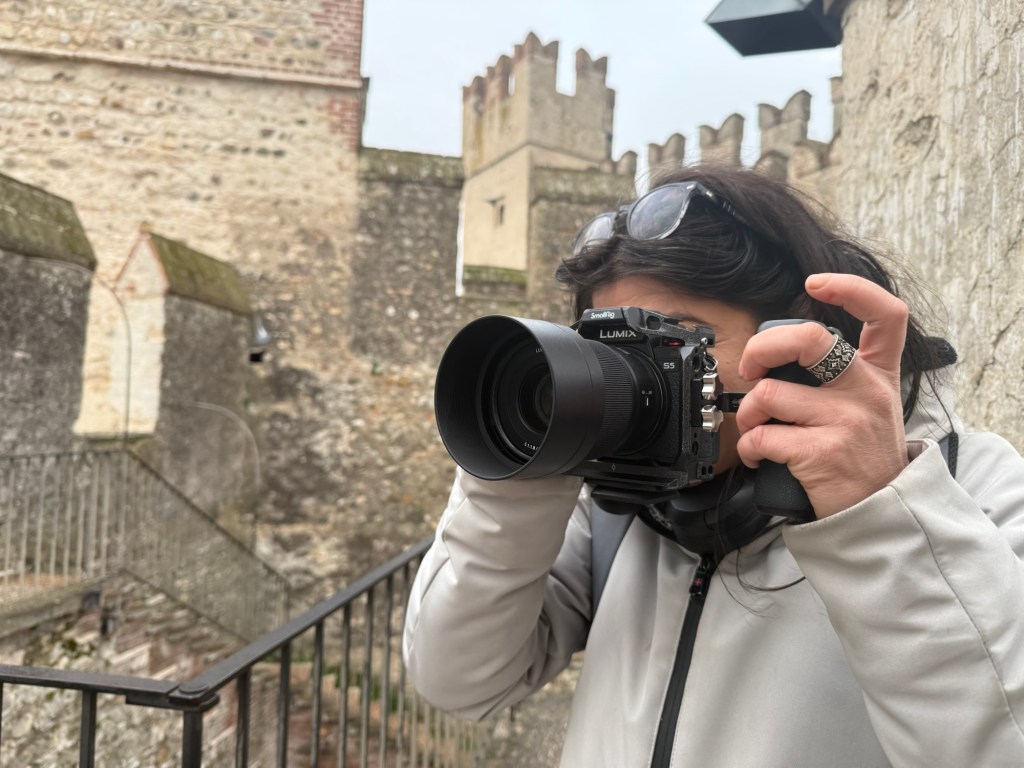
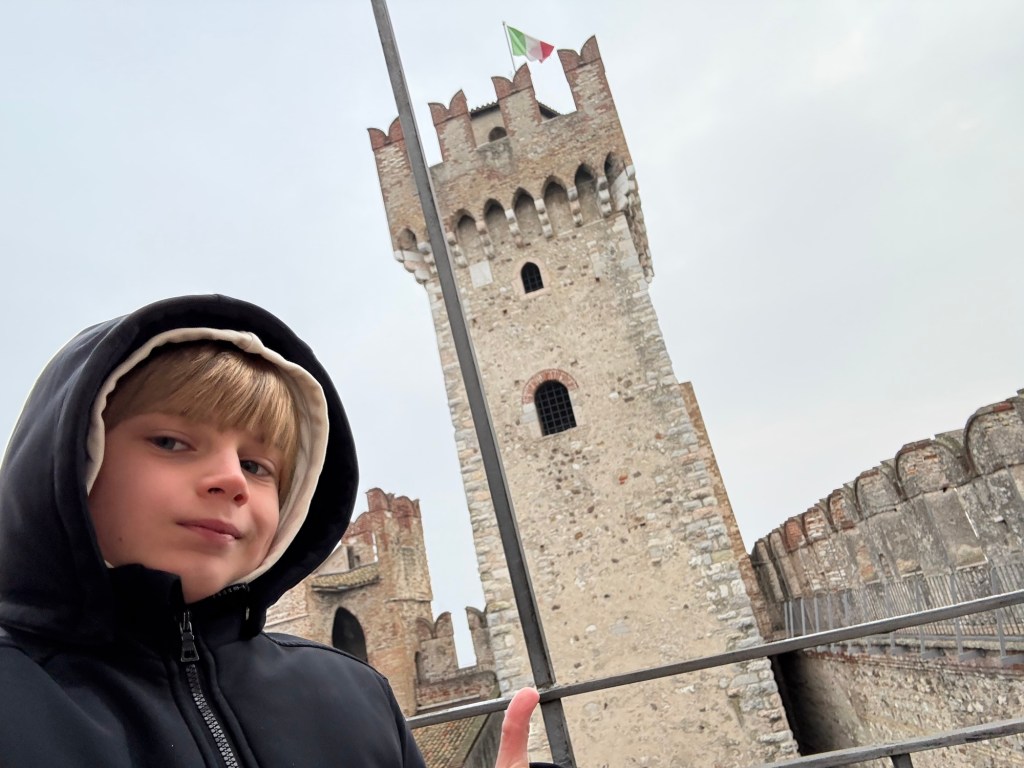
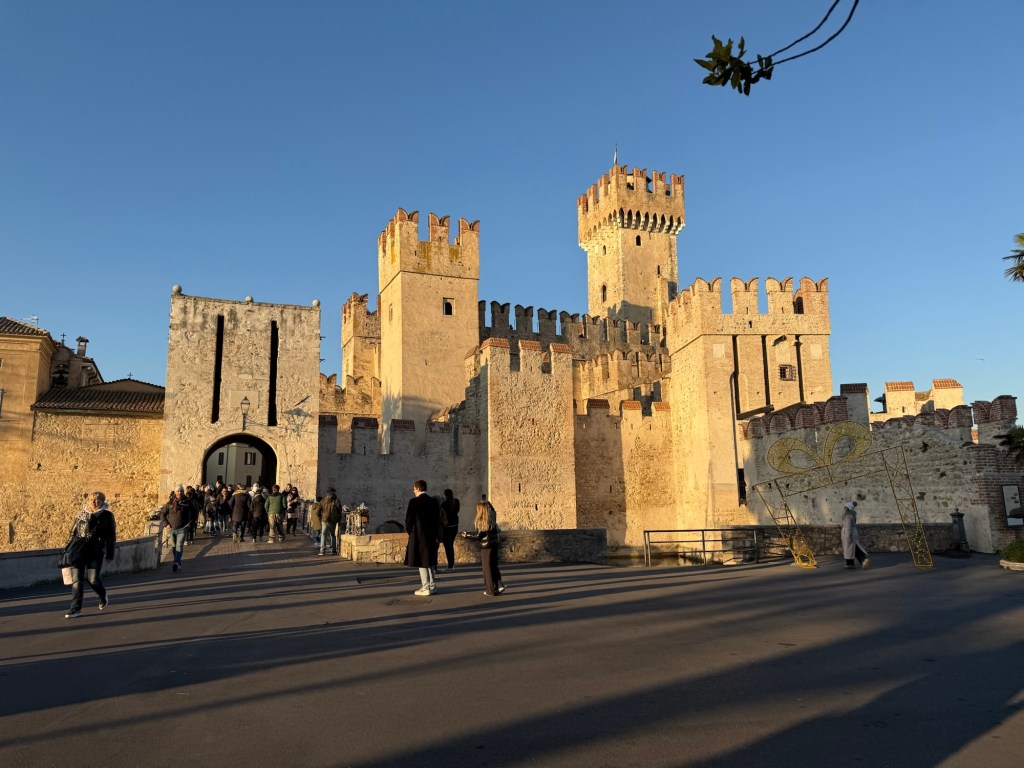
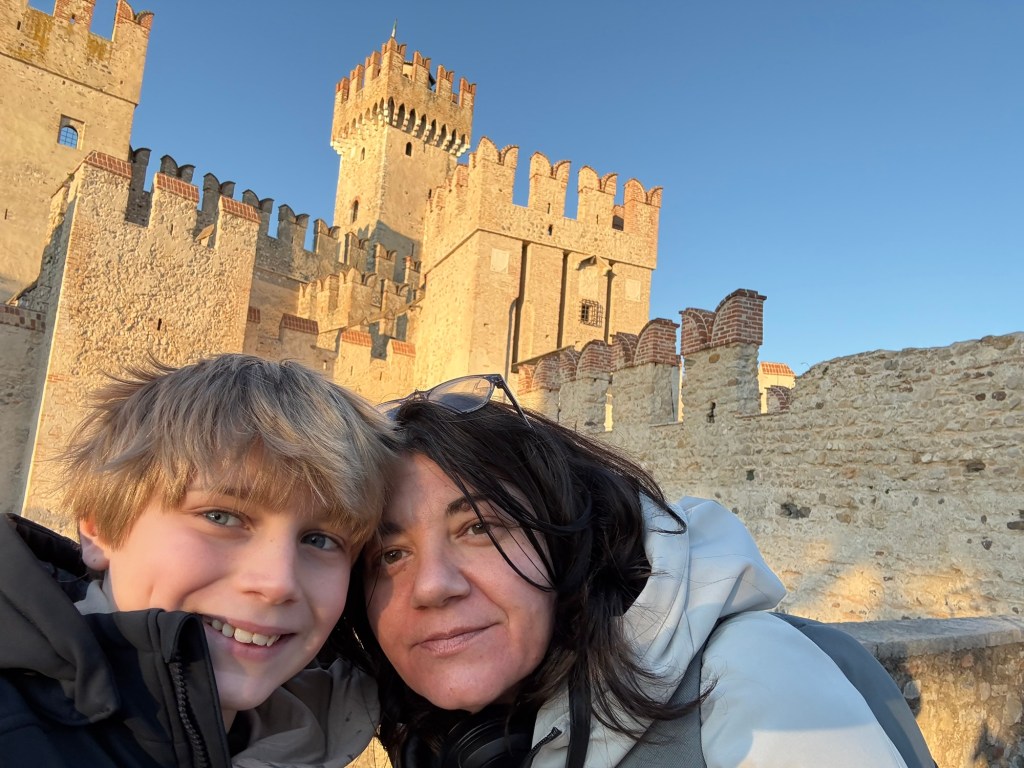
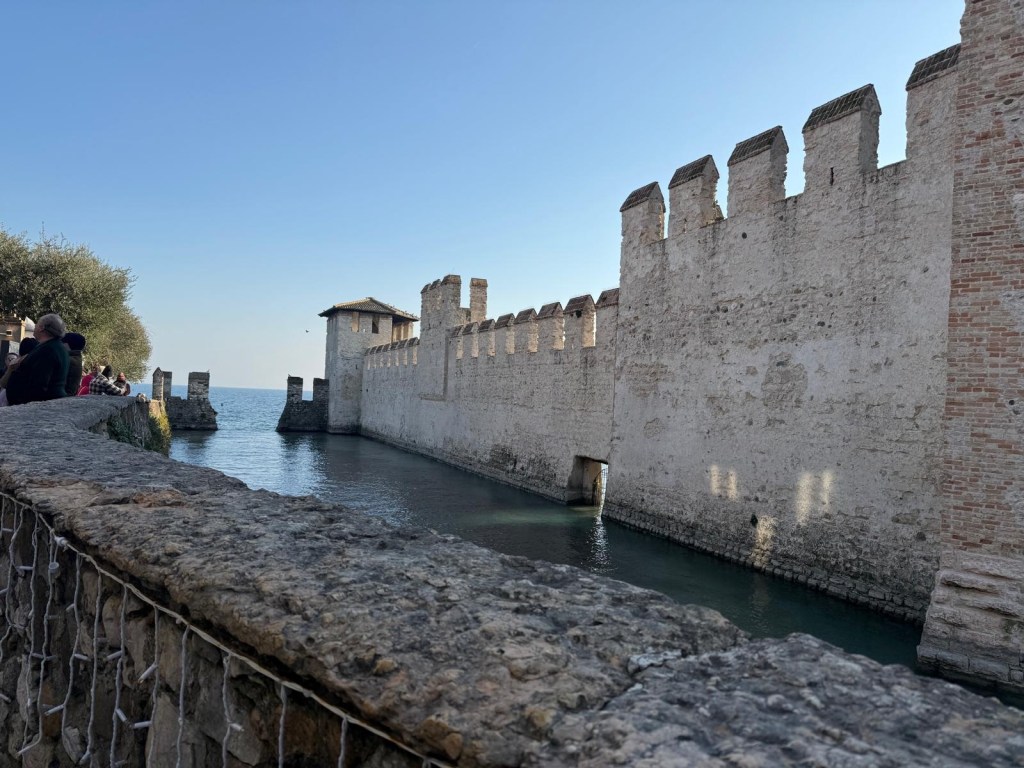
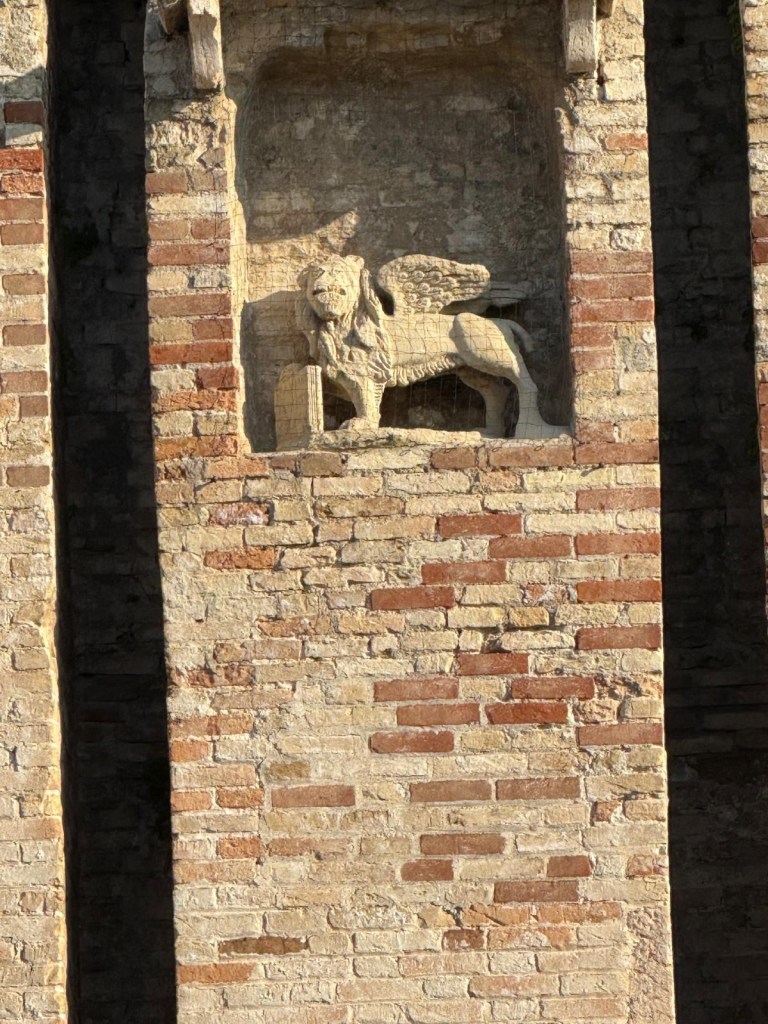
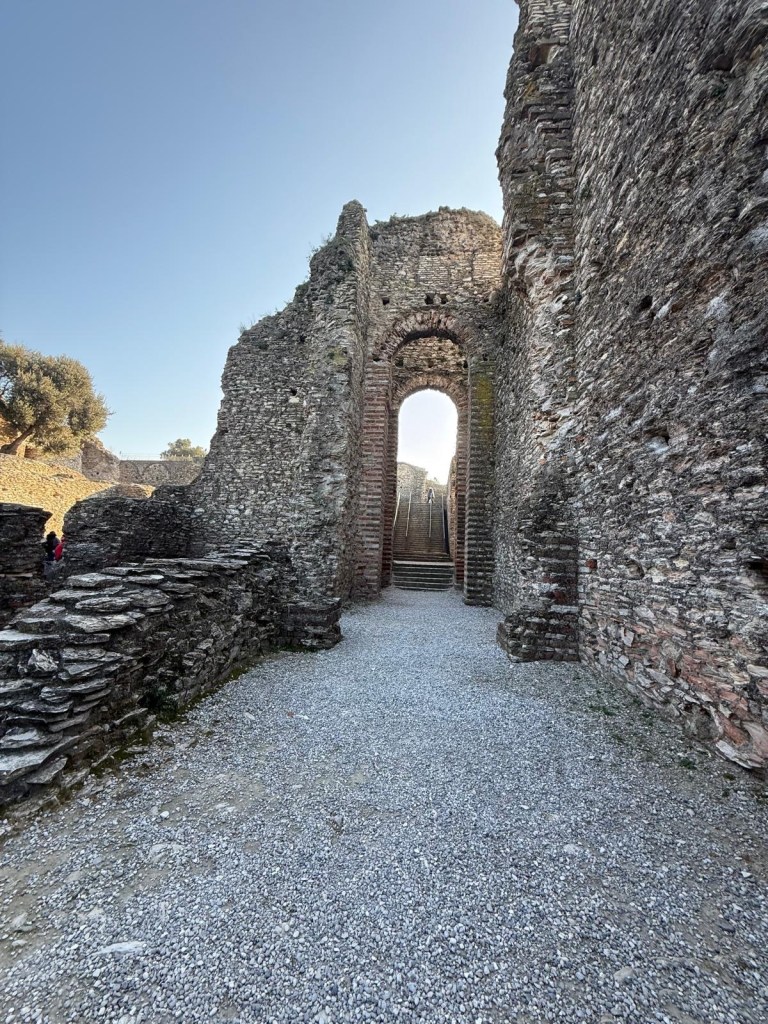
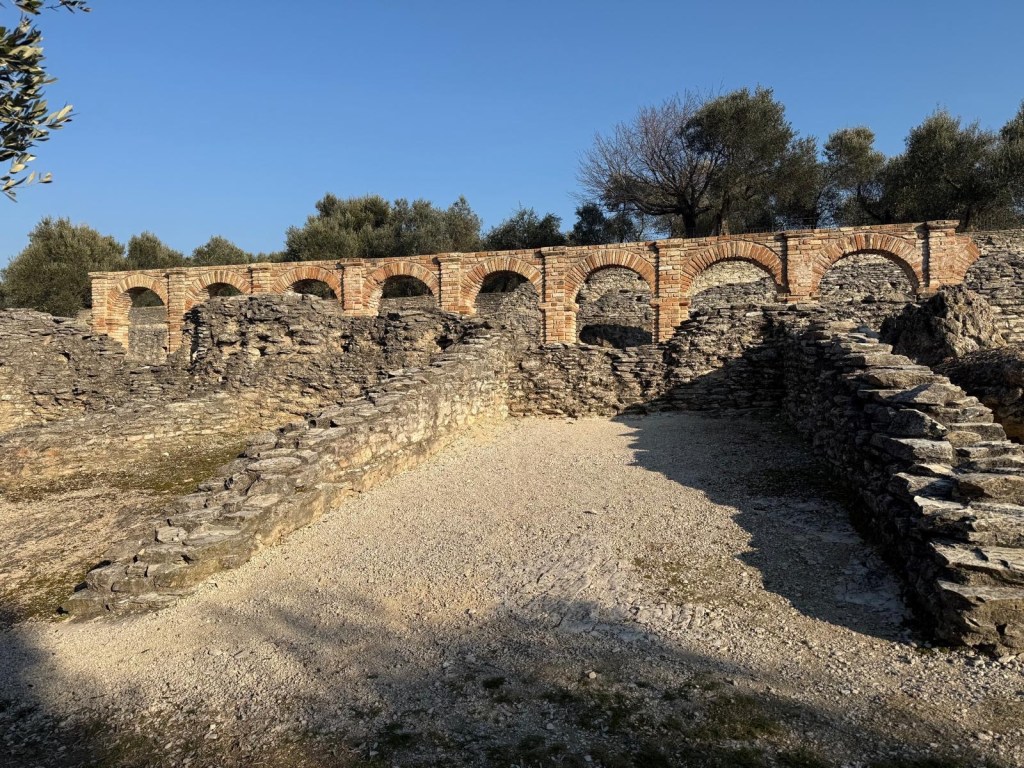
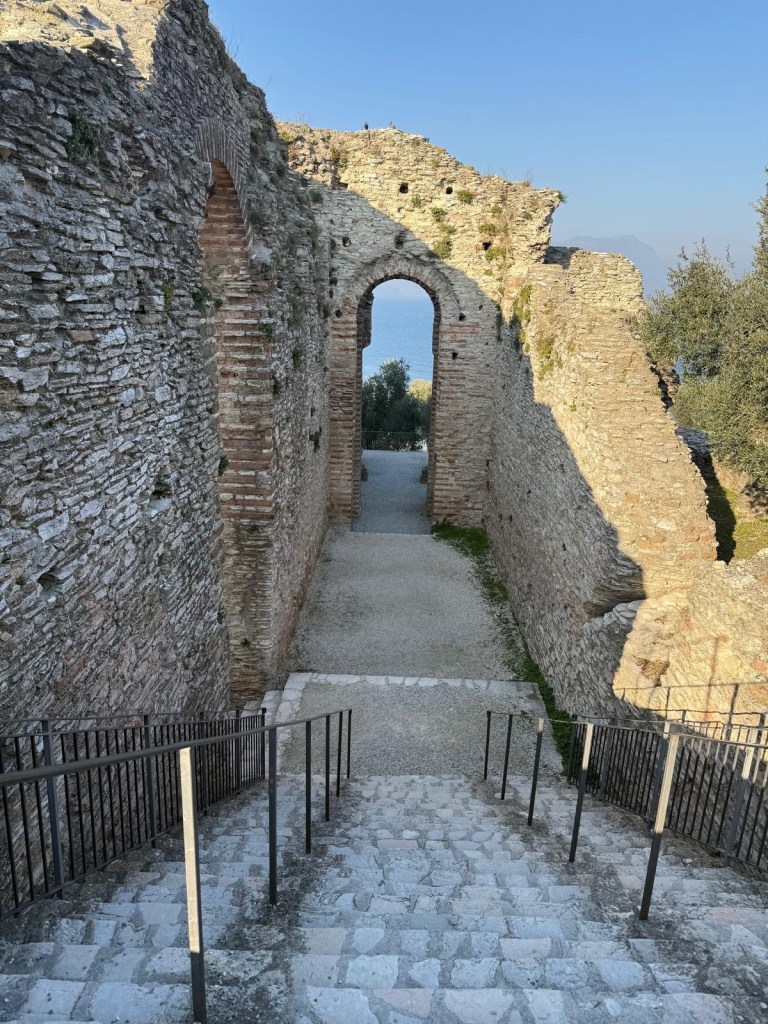
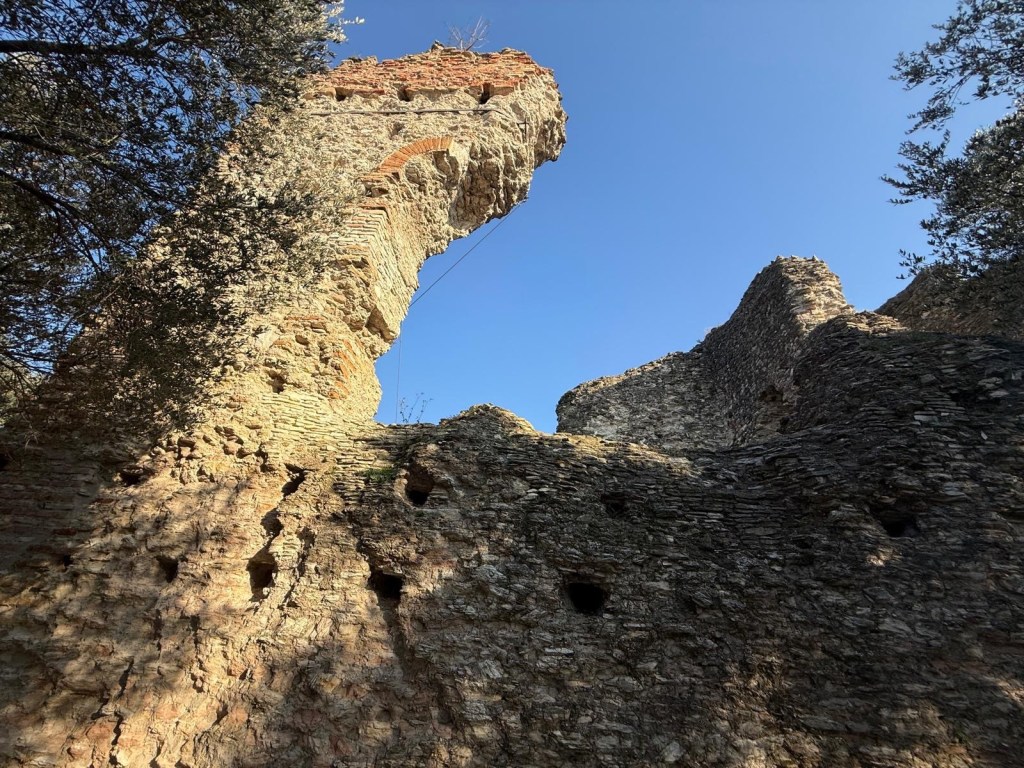
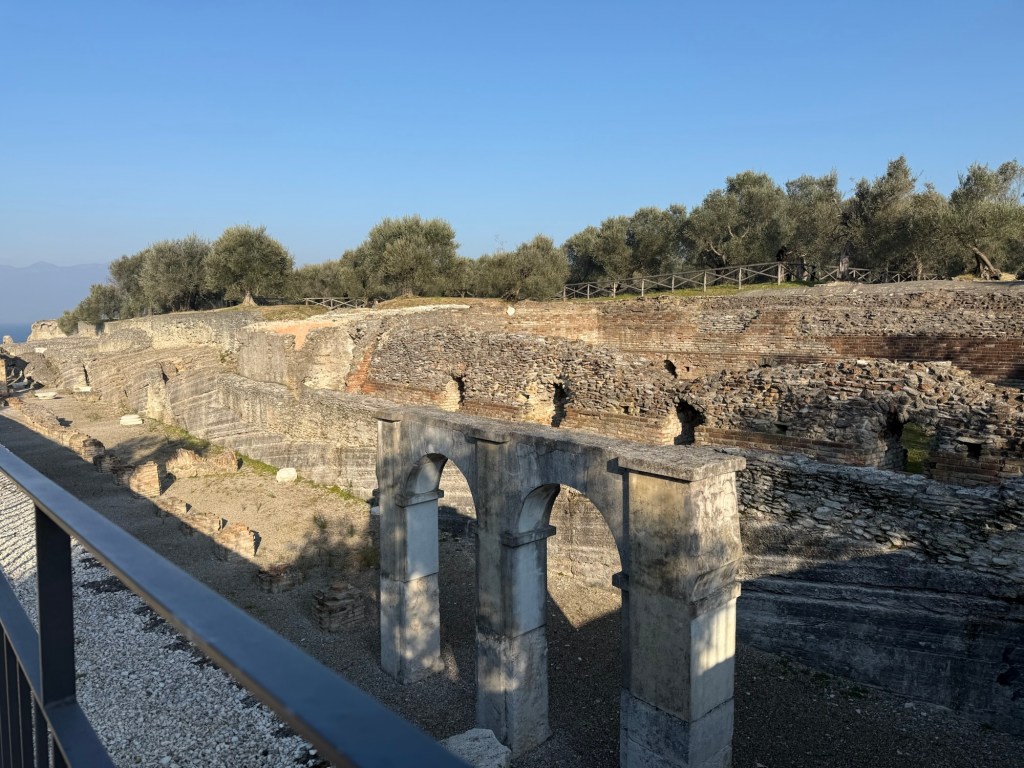
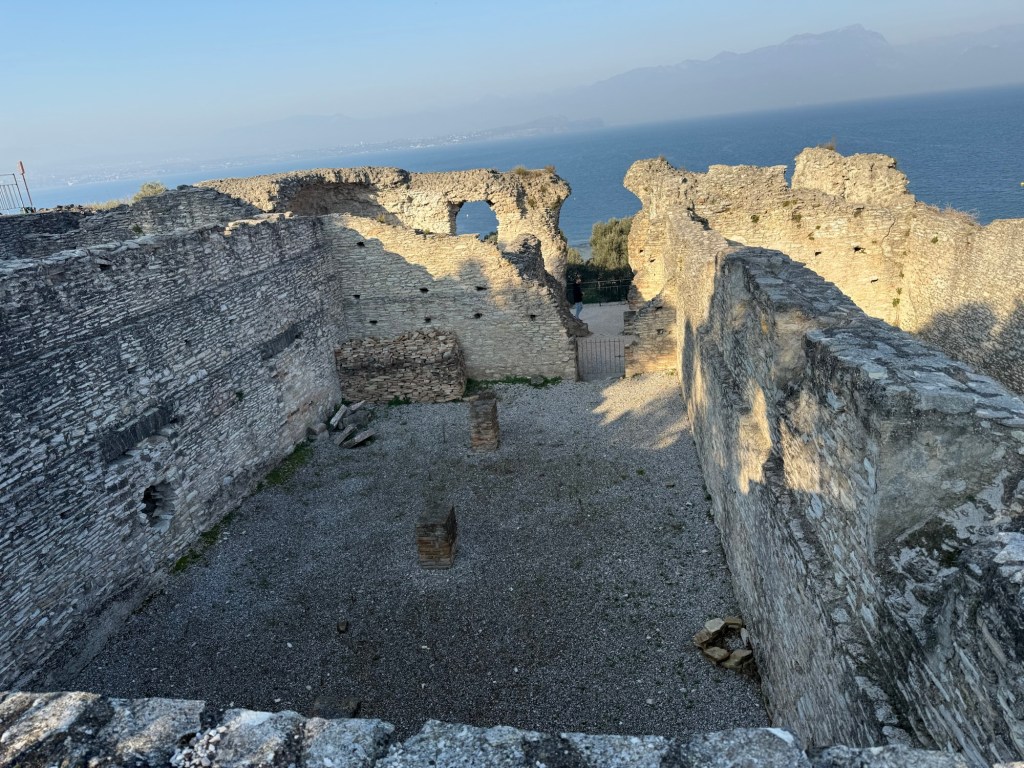
Sirmione is a small town located in northern Italy, on the southern shore of Lake Garda in the Lombardy region. It is renowned for its historical significance, charming old town, and stunning natural beauty. In this beautifull town you can visitate the Rocca Scaligera which is medieval fortress that dominates the entrance to the town and it is surrounded by water, the castle offers breathtaking views of the lake and the town from its towers. Moreover you have to visit the Grotte di Catullo. These are the ruins of an ancient Roman villa, believed to have been a retreat for the poet Catullus. From the ruins around you can have a beautifull view of Lake Garda. For you relaxing you can take appointement to thermal bath, which are rich in minerals and said to have healing properties. Sirmione have a wonderfull old center rich in restaurant with fresh food and you can walk along the Lake. I hope my rewiev of Sirmione make you visit it.
Vedo la cattiveria di ogni genere, sul fisico, sui vestiti su ogni cosa che non piace. Mi chiedo sempre perché la gente giudica, perché si giudicano le persone senza conoscerle. Si giudica sempre, sia per antipatia inconscia sia per moda. Sui social sopratutto si giudica sempre ma io mi chiedo perché? Qualcuno ha il coraggio di dire che in democrazia tutti possono esprimere il proprio pensiero. Ma la democrazia è una cosa ben diversa. In democrazia si porta avanti un proprio pensiero, si cerca il dialogo, una costruzione, un confronto, parole che hanno valore, senza offendere per qualsiasi cosa futile e soggettiva. È dalle elementari che si vuole insegnare ai bambini cosa sia l’empatia, quanto sia brutto giudicare ecc. E poi vai sui social è leggi un sacco di cattiverie. Io vorrei chiedere scusa alla nuova generazione. Noi vi abbiamo dato un mondo in rovina, con problemi ambientali, cambiamenti climatici, politiche scellerate e cattiverie che potete leggere sotto ogni post che guardate.. che sia istangram tik tok ecc non cambia nulla e pur sempre la fine dell’ umanità. Ma forse è stato Dio a dire che non sarà lui a far scomparire il mondo ma l’umanità ci penserà da sola.
Ti alzi al mattino accenni un sorriso, non hai voglia di correre, vorresti solo dormire. Ti lasci trasportare, la quotidianità ti fa star male. È un altro giorno ma quanto simile a quello trascorso ma non importa perché sei vivo e ti rendi conto che un giorno non vale come un altro e anche quel sorriso ha un sapore diverso, adesso corri perché alla fine è il tempo a non fermarsi.